Sumatran Tiger Facts: The Last Island Tiger
Tigers once lived on several islands in Indonesia. Today, only one island still has them. The Sumatran tiger, also called the Sunda tiger, is the last of the island tigers, and it is fighting for survival in the forests of Sumatra. Here are the key Sumatran tiger facts, why the species is in trouble, and what you can check next time you shop.
Sumatran tiger facts at a glance
- Where it lives: only on the Indonesian island of Sumatra (Smithsonian’s National Zoo).
- Status: Tigers are listed as Endangered on the IUCN Red List. The Sumatran population is small and isolated.
- Scientific name: WWF uses Panthera tigris sondaica, the name for the Sunda tigers that once included the Javan and Bali tigers.
- Size: the smallest tiger, with males reaching up to about 140 kg (310 pounds) and 2.4 metres (8 feet) long (Smithsonian).
- Habitat: tropical broadleaf evergreen forests, freshwater swamp forests and peat swamps (WWF).
- Lifespan: usually 10 to 15 years in the wild (Smithsonian).
The last island tiger
Tigers in Java and Bali are extinct. That leaves Sumatra as the only home of the Sunda tigers (WWF). If the Sumatran tiger disappears, the island tigers are gone for good.
Sumatra is special for another reason too. According to WWF, it is the only place on Earth where tigers, rhinos, orangutans and elephants live together in the wild. A healthy tiger population is a sign of a healthy forest, so protecting tigers protects many other species, and the people who depend on the forest.
What makes Sumatran tigers special
Heavy stripes
WWF says Sunda tigers are known for the heavy black stripes on their orange coats. And just like human fingerprints, no two tigers have exactly the same stripes. Researchers use those patterns to tell individual tigers apart (Smithsonian).
Small but powerful
Being the smallest tiger does not make the Sumatran tiger any less of a hunter. Tigers are ambush predators that hunt mostly at night, mainly large prey such as wild boar and deer. They are also strong swimmers and have even been recorded hunting in water (Smithsonian).
Long childhoods
Tiger cubs stay with their mothers until they can hunt well, usually at about 18 to 24 months old, and become fully independent at two to three years (Smithsonian).
How many Sumatran tigers are left?
Nobody has an exact count. Tigers live in dense forest and are hard to survey, so numbers are modelled from camera trap studies. The IUCN’s 2022 tiger assessment estimated the island-wide Sumatran population at 393 tigers in 2017, with a range of 173 to 883. Researchers writing in Frontiers in Conservation Science describe that range as a weak basis for monitoring. What experts agree on is the direction: the population is small, isolated and under heavy pressure.
Why Sumatran tigers are under pressure
1. Poaching and illegal trade
Most tigers in Sumatra are killed deliberately for profit. A TRAFFIC survey cited by WWF found that poaching for trade causes almost 80% of estimated Sunda tiger deaths, at least 40 animals a year. Hunting tigers in Indonesia can mean jail time and steep fines, but a market for tiger parts remains in Sumatra and other parts of Asia.
2. Forests turned into plantations
Sumatra’s forests have been cleared for agriculture, especially oil palm, along with plantations and settlements. WWF reports that the island’s forest cover dropped from 58% to 26% between 1985 and 2014. Forest clearing has also isolated national parks from each other, cutting tigers off from the large areas they need to breed, hunt and roam.
3. Conflict with people
When tigers lose their habitat, they are pushed toward villages. People have been killed or injured, livestock is taken, and tigers are sometimes killed in revenge (WWF).
What shoppers can check on labels
You can’t patrol a Sumatran forest, but you can make choices that add up.
- Look for certified sustainable palm oil. Palm oil is in close to half of packaged supermarket products, from chocolate to shampoo, says WWF UK. WWF does not recommend boycotting it, since other oils need much more land. Instead, choose products with RSPO certified palm oil. “Segregated” or “Identity Preserved” supply chains give the strongest assurance.
- Check brand scorecards. WWF publishes a Palm Oil Buyers Scorecard showing which brands and retailers have committed to deforestation free palm oil.
- Choose FSC certified paper and wood, since pulp and timber also drive forest loss on Sumatra, according to WWF.
- Never buy tiger products, including souvenirs, skins, or medicines claiming to contain tiger parts.
- Share what you learn. Few people know that Java and Bali already lost their tigers.
Wear the reminder
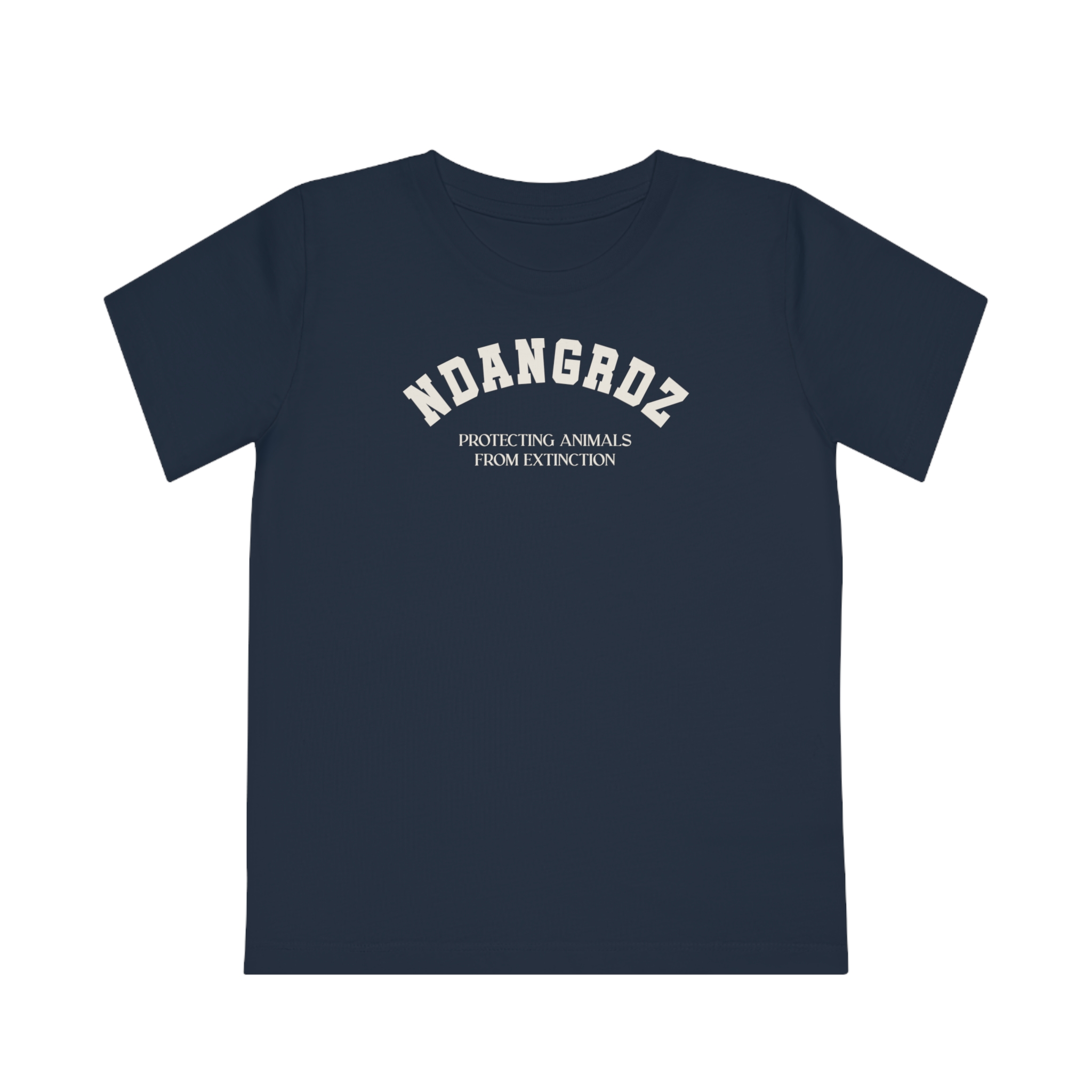
Our Camo Tiger Kids Lightweight T-Shirt has a playful tiger in a camo jacket on the back, inside the words “Protecting Animals From Extinction”. It is made from 100% organic, ring spun, combed cotton, comes in ages 3/4 to 12/14 years and costs $49. 10% of profit goes to protecting endangered animals. A great way to give young animal fans a story to tell.
FAQ
Are Sumatran tigers endangered?
Yes. The IUCN Red List assesses tigers at species level and lists them as Endangered (IUCN, 2022). The Sumatran population is small and isolated.
How many Sumatran tigers are left?
There is no exact count. The IUCN’s 2022 assessment estimated 393 tigers on Sumatra in 2017, with a range of 173 to 883 (IUCN).
Where do Sumatran tigers live?
Only on the Indonesian island of Sumatra, in tropical evergreen forests, freshwater swamp forests and peat swamps (WWF).
What is the biggest threat to Sumatran tigers?
Poaching for the illegal wildlife trade, which causes almost 80% of estimated deaths, followed by forest loss to agriculture, especially oil palm (WWF).
Is the Sumatran tiger the smallest tiger?
Yes. Smithsonian’s National Zoo describes it as the smallest tiger subspecies.
Sources
All checked and resolving on 17 Nov 2026:
- WWF, Sunda tiger
- Smithsonian’s National Zoo, Tiger
- Frontiers in Conservation Science, Sumatran tiger density estimates in the Leuser Ecosystem (2025)
- IUCN Red List, Panthera tigris (2022)
- IUCN Red List, Panthera tigris ssp. sumatrae (2008, no longer the current assessment method)
- WWF UK, 8 things to know about palm oil